Christmas Potpourri: Dry Mix, Bowl and Sachet
TL;DR
One dry blend of orange, cinnamon, clove, star anise and cranberry. Put half a cup in a bowl to scent a room cold, sew a spoonful into a sachet for a drawer, or simmer two tablespoons in water for the whole floor.
Dry mix, bowl or sachet: one blend, three jobs
Most pages use "potpourri" for two different products: the decorative bowl you buy in a gift shop and the food-grade blend you simmer on the hob. They are not interchangeable, and the difference matters the moment you put something in a pan next to dinner.
This page treats potpourri as the dry blend — the thing in the jar — and shows the three ways to use it. If you only want the stove version with full recipes and timings, that is the Christmas simmer pot page; the two pages share the same spice base deliberately, because it is one recipe with two names. The other season's blends, from fall cranberry through to February, are collected in the full simmer pot recipe collection.
| Use | How much | Where it works | How long it lasts |
|---|---|---|---|
| Bowl, cold | Half a cup, wide shallow bowl | Hallway, bathroom, small living room | 3–5 weeks, stir daily |
| Sachet, closed | 2 tablespoons in a muslin bag | Drawers, cupboards, car, luggage | 6–8 weeks; crush to refresh |
| Stove top, simmered | 2 tablespoons with 3 cups water | Open-plan kitchen and living space | One evening; 2–3 hours of scent |
Christmas potpourri recipe (dry blend)
Makes about two cups, which is roughly four sachets or one bowl with a refill. Everything is whole on purpose: ground spice clouds water and fades within weeks, while whole sticks and berries hold their oils for a season.
Dry everything first
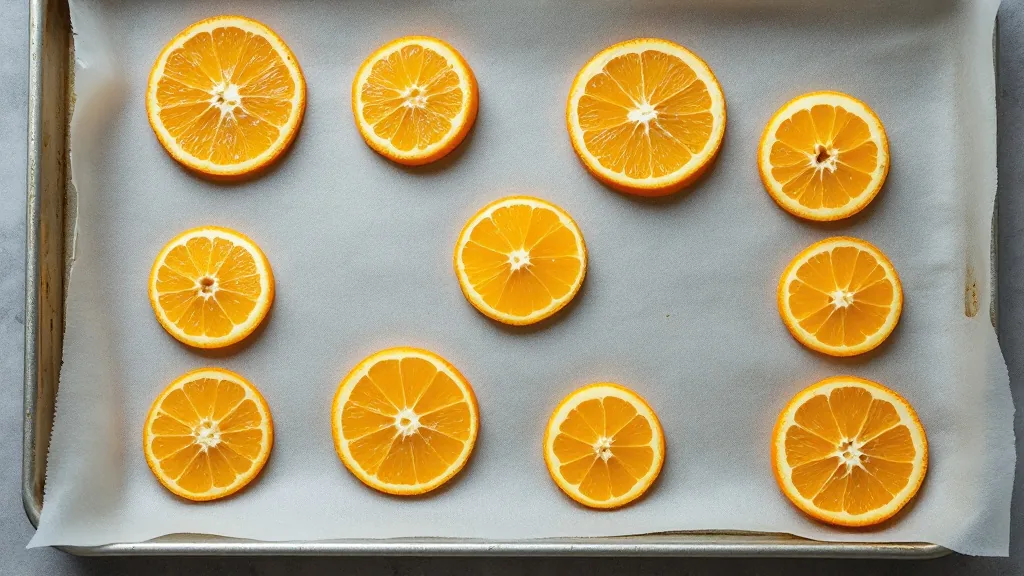
Oven at the lowest setting with the door ajar, or a dehydrator at 60°C, until the orange slices are leathery rather than juicy — three to four hours in an oven, six to eight in a dehydrator.
Mix the dry blend
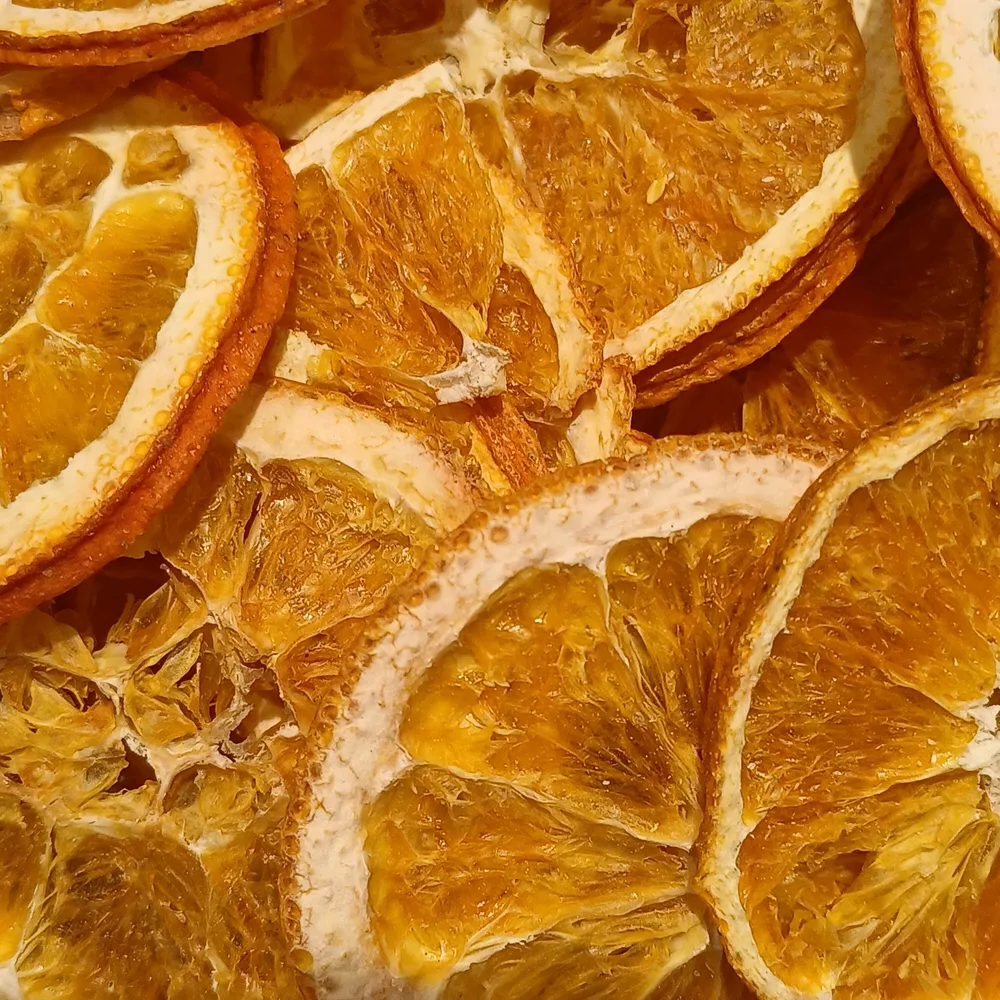
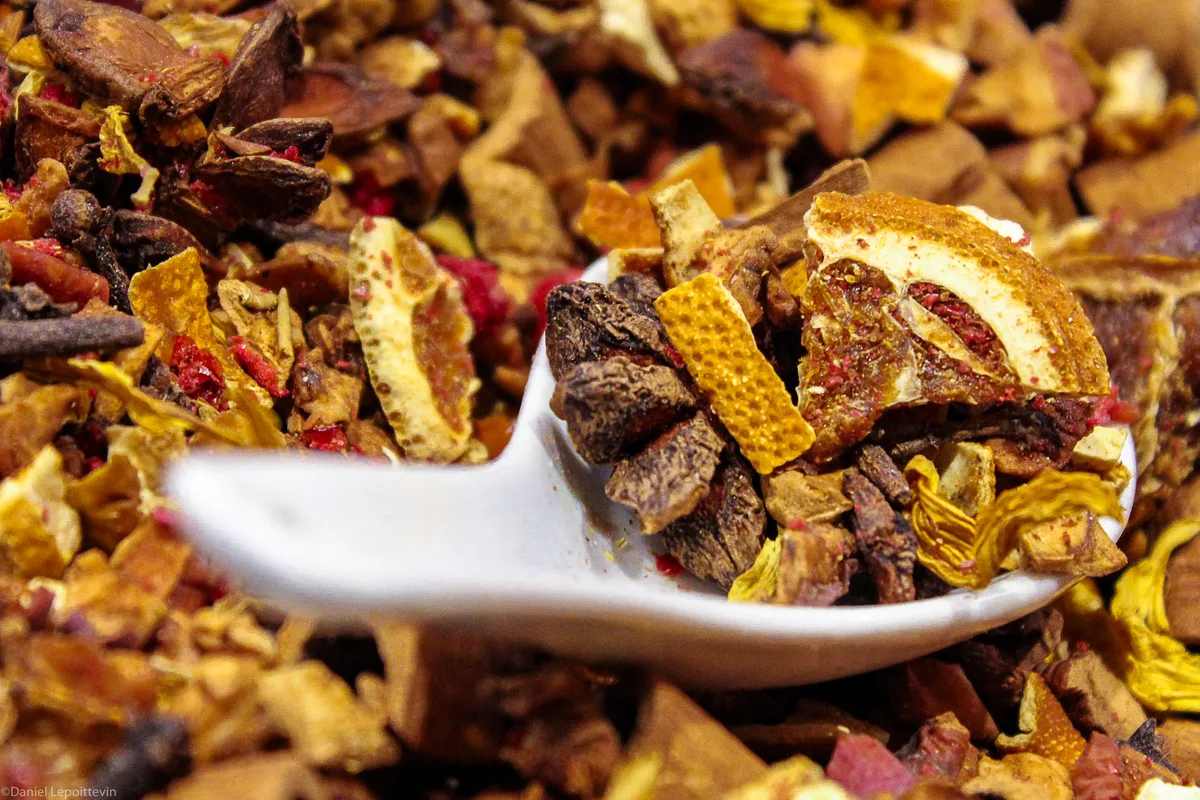
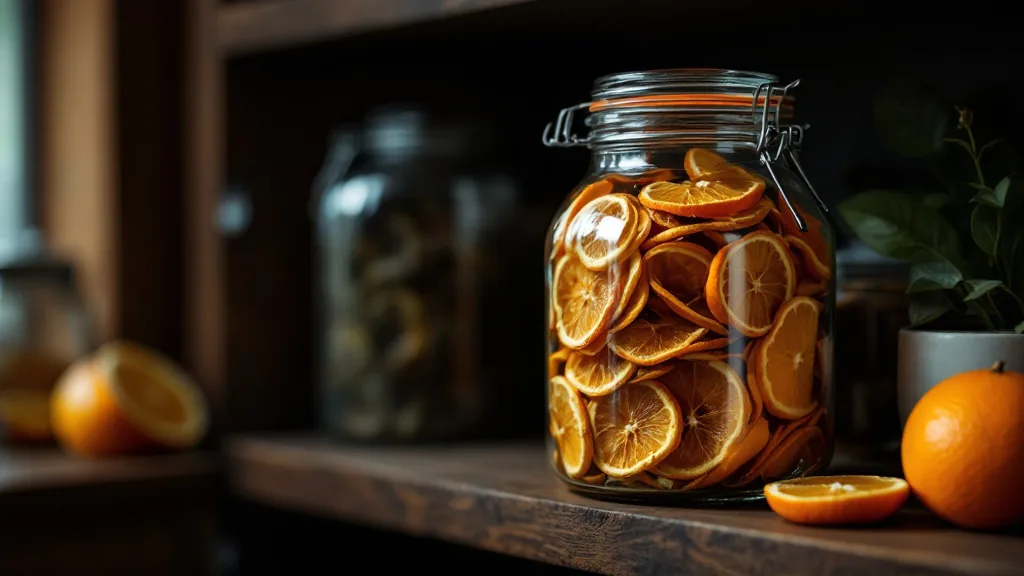
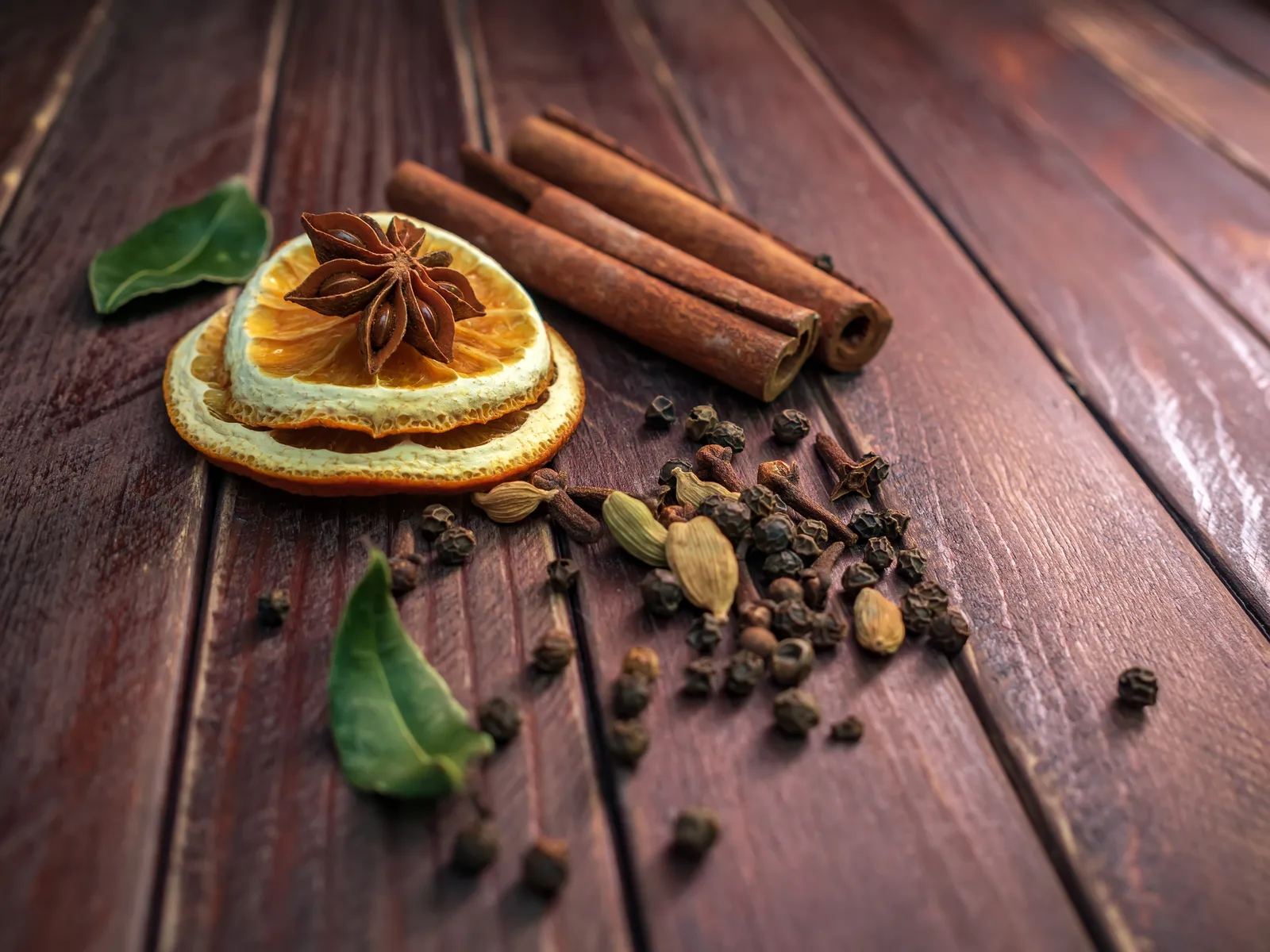
Toss the dried orange, broken cinnamon, cloves, star anise, dried cranberries and pine in a bowl. This is the potpourri; it keeps for a season in a sealed jar.
Use it cold, or simmer it
A handful in an open bowl scents a small room slowly. Two tablespoons in a pan with three cups of water, held at a bare simmer, scents a whole floor in twenty minutes.
Drying time dominates the schedule, so start the orange the day before you want the blend. Drying orange slices at home covers oven, dehydrator and air-drying times side by side, including why a leathery slice beats a brittle one here.
What to check on a bag you buy
Two words on the label decide whether a bag is a décor item or a simmering blend: fragrance oil and not for food use. Decorative potpourri is routinely treated with synthetic fragrance and a preservative to survive months on a shelf, and it is not something to heat in a pan in a kitchen. A blend you intend to simmer should list dried fruit and whole spice and nothing else.
- Look for: "food safe", "dried orange", "cinnamon sticks", "whole cloves" — ingredients you could eat.
- Avoid for simmering: "fragrance", "perfume oil", "do not ingest", any unlisted "botanicals" mix.
- Fine either way: pine cones and pods, as long as they stay in the bowl and never go in the pan — a cone is a fire risk on a hotplate and adds nothing to the smell.
If you are making jars to give away, put the same warning on the tag: "food-safe blend — simmer in water, do not eat". The printable gift tags have a line for it.
Keeping a bowl from going flat
A bowl of potpourri does not stop smelling because the recipe was wrong; it stops because the volatile oils have evaporated off the exposed surface. Three habits get another month out of the same batch:
- Stir it once a day. The fruit underneath still has oil in it; the top layer is what the room has already taken.
- Keep it out of the sun and away from a radiator. Heat drives the oils off fast, then leaves a dusty smell with nothing behind it.
- Recharge, don't top up. One drop of orange or clove essential oil on the underside of a dried slice does more than adding a second handful of new fruit on top of tired fruit.
When the batch has genuinely gone — a month or two, depending on the room — the last thing it is good for is one simmer. Tip the bowl into a pan with water and heat it once: the spice that is left comes out, and then the batch is finished rather than half-alive in a bowl. What you should not do is keep adding water to a pot for days; a simmer pot that has been topped up ten times smells of stewed fruit. Two fresh pots beat one long one.
Sachets, and what not to put them against
A sachet is the version that travels: two tablespoons of the blend in a muslin bag, tied, dropped into a drawer or a cupboard. It scents a small closed space far better than a bowl does, because the scent has nowhere to escape to.
The one rule is contact: whole cloves and star anise have hard points, and against pale fabric over a summer they can leave marks. Put the sachet in a corner rather than under the stack, and never let loose blend sit directly on clothes. In a car, hang it rather than leaving it on a dashboard — a hot dashboard in July turns spice into a stain.
Making it into a gift jar
Layer the blend in a clear jar — orange slices against the glass, spice in the middle — add a ribbon and a tag that says "add water, simmer on low". It costs a few dollars, it looks deliberate, and unlike most homemade gifts it gets used. Filling pouches instead of jars? Simmer pot bags covers how much goes into one bag and why a pouch needs a heavier scoop than a jar.
For portion sizes and jar options see the simmer pot kits page; for the presentation side, the gift ideas page covers jars, tags and the ten-minute assembly.
Christmas potpourri 🎁
Food-safe blend · 2 tbsp with 3 cups water · Simmer on low, top up as it evaporates
Dried orange · Cinnamon · Whole cloves · Star anise · Dried cranberry
Stovetop, water, fire, pet, and child notes are on the simmer pot safety page.
Our recommended picks
As an Amazon Associate, we earn from qualifying purchases. Links below are affiliate links marked as sponsored — a qualifying purchase may earn us a commission at no extra cost to you.
Dried orange slices
Ready-dried and food-safe, which is the only kind that belongs in a pan.
Muslin sachet bags
For the drawer and cupboard version — keeps spice off fabric.
More recipes
Frequently asked questions
Is Christmas potpourri the same thing as a Christmas simmer pot?
They start from the same dry blend. Potpourri is the blend itself — it can sit in a bowl or a sachet and scent a room cold. A simmer pot is what you do with that blend: two tablespoons of it in water on the hob. One jar, two uses.
Can I simmer potpourri I bought for decoration?
Only if the label says the contents are food-safe dried fruit and spice. Boxed decorative potpourri is often treated with fragrance oil or a preservative and carries a do-not-eat warning; that belongs in a bowl, never in a pan next to food.
How much potpourri do I use in a bowl?
A loose handful — about half a cup — in a bowl with a wide mouth. More than that does not smell stronger, it just sits there looking crowded; stir it once a day to bring the dry surface back up.
How long does a bowl of potpourri keep its scent?
Three to five weeks in a dry room, longer in a sealed sachet. Scent fades because the volatile oils evaporate, so the fix is a stir and, after a few weeks, a drop of the same essential oil on the underside of the fruit rather than more fragrance.
Can I put potpourri in drawers and cupboards?
Yes, in a sachet rather than loose — a small muslin or paper bag stops the cloves and star anise from marking fabric. Keep it out of direct contact with clothes and refresh the sachet by crushing it slightly every couple of weeks.
Do I have to dry my own orange slices?
No. Ready-dried orange is sold by the bag and behaves identically once it is in the blend. Drying your own is cheaper if you already have oranges going soft, and it takes three to four hours in a low oven.
How long does the dry blend keep in a jar?
About one season. Whole spice holds its oils far longer than ground spice, which is why every ingredient here is whole — pack cinnamon sticks and cloves intact and grind nothing.
Why does my potpourri smell dusty after a month?
Because the oils have gone and what is left is the fibre of the fruit. Two options: add a drop of orange or clove essential oil under the fruit, or tip the whole bowl into a pan with water and simmer it once — heat pulls out whatever is still in the spice before you throw the batch away.
Is a stove top potpourri the same as a simmer pot?
Yes. Stove top potpourri is the older name for the same thing: dried fruit and whole spice held just under a boil. The word potpourri describes the dry mix, the word simmer describes the heat.
What is the difference between Christmas potpourri and holiday potpourri?
Only the label. Holiday potpourri is the umbrella term for the winter blends — cranberry and orange for Christmas, apple and spice for Thanksgiving, citrus and rosemary for January. The base recipe here covers the Christmas half of that stretch.
Should potpourri include pine?
Only if you like it. Pine is what makes a blend read as "tree" rather than "bakery", but it is the first note to go sharp, and some people find it harsh indoors. Rosemary and thyme give a similar green note with none of the sharpness.