Simmer Pot Kits – What Is Inside and How to Build Your Own
TL;DR
A simmer pot kit is dried fruit plus whole spices in a jar — orange, cranberry, cinnamon, clove and star anise cover almost every kit on the market. One jar makes one pot of water. The one thing worth checking before you buy is whether the contents are labelled food-grade or decorative-only potpourri.
What a simmer pot kit actually contains
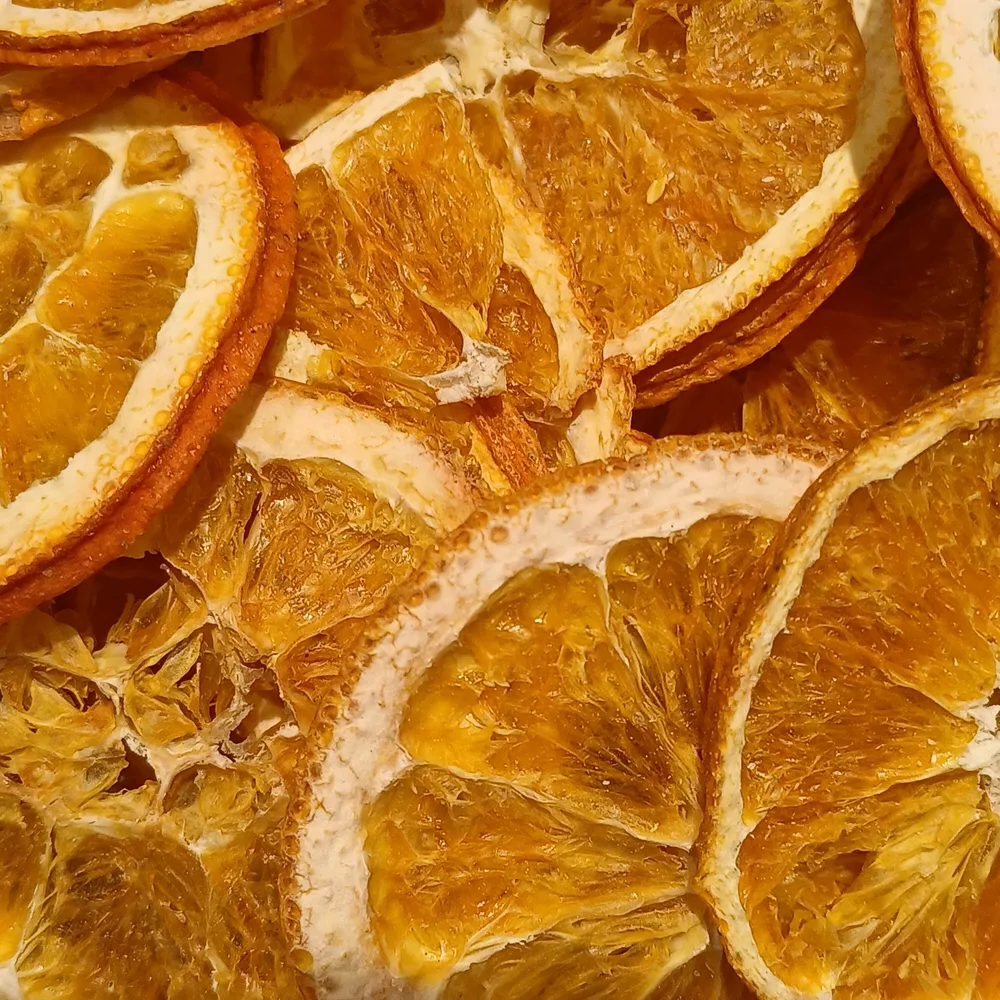
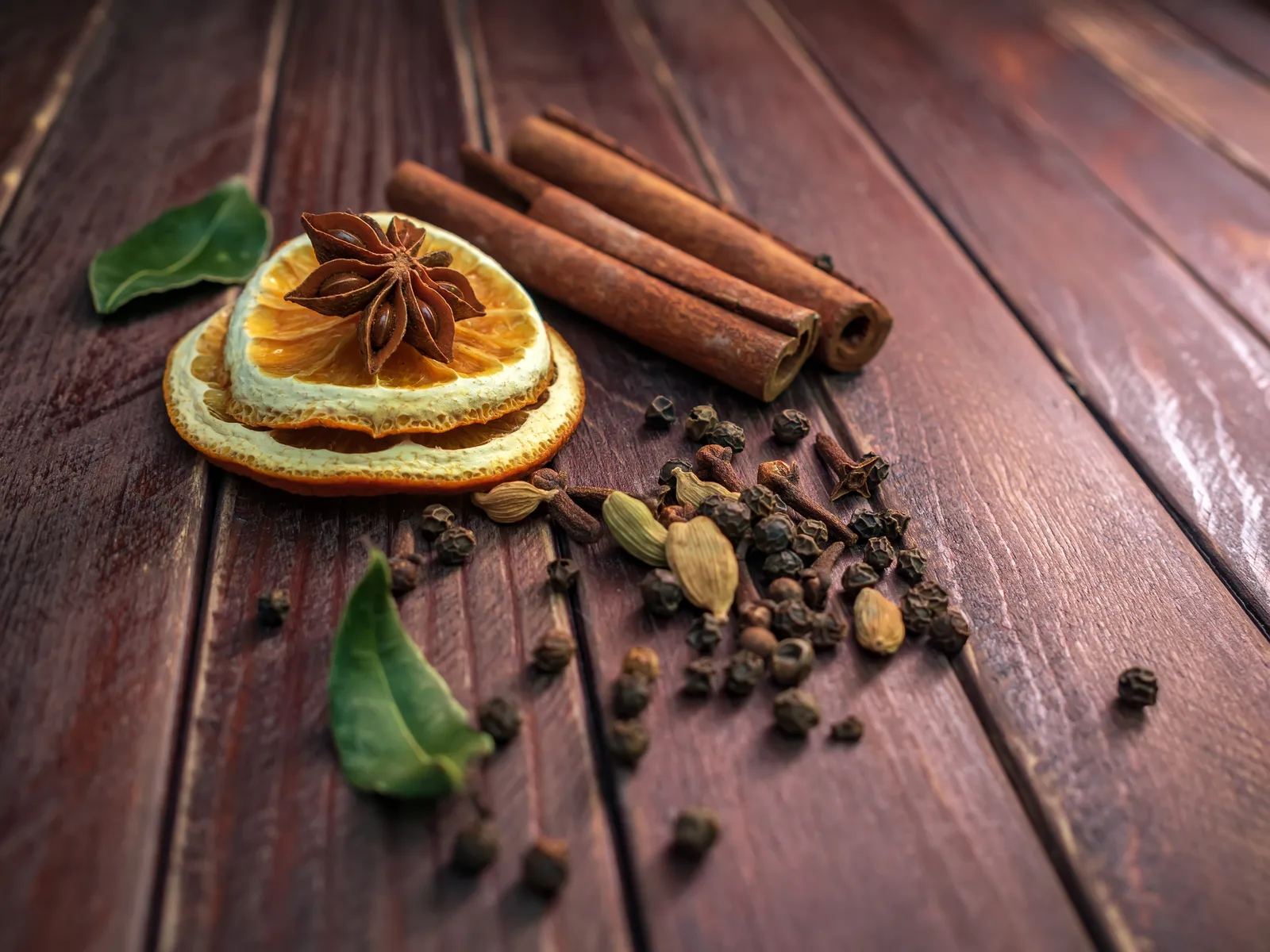
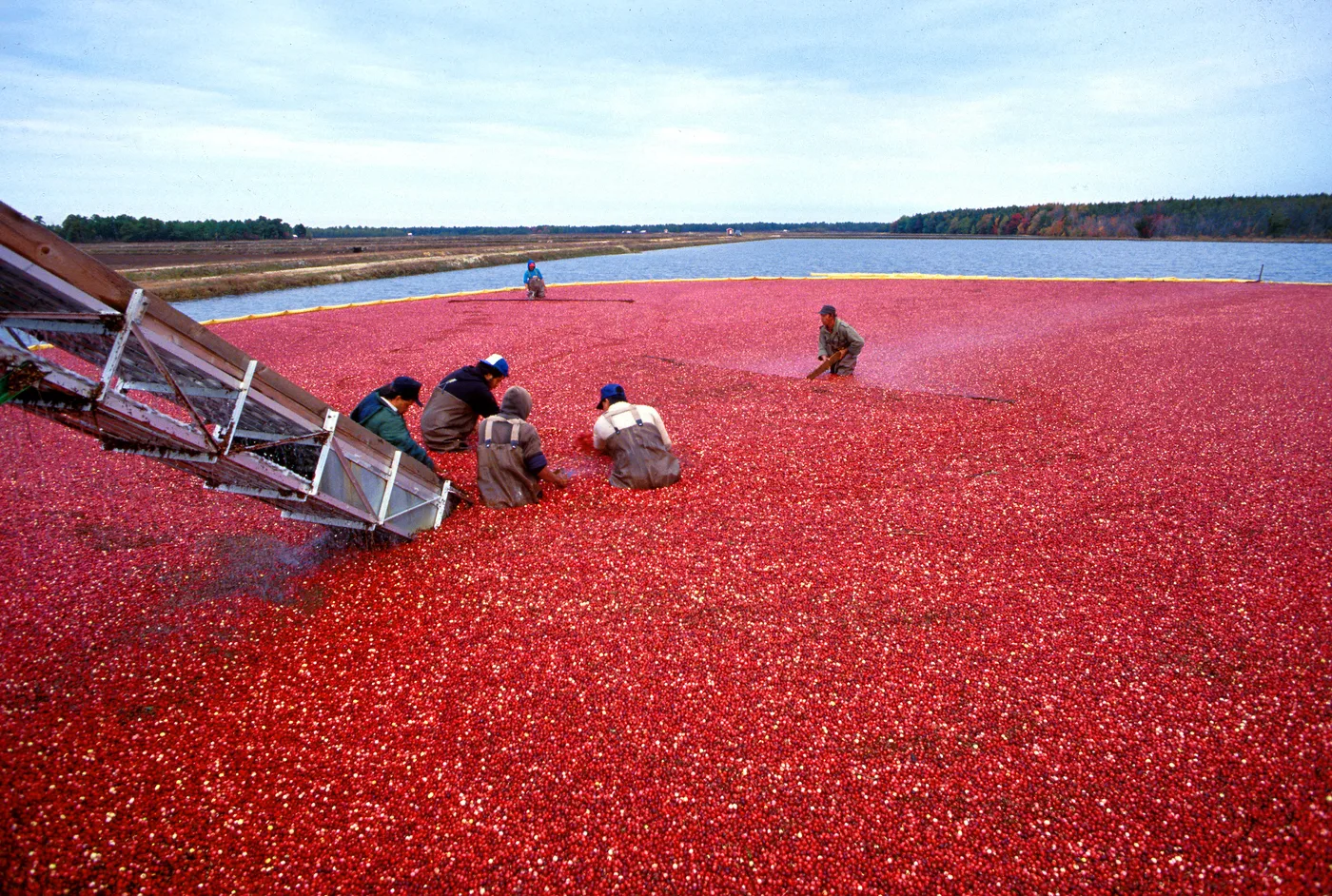
Strip away the packaging and ribbon and nearly every kit is the same five ingredients. Dried orange slices bring the citrus top note, dried cranberries add tartness that cuts through the spice, cinnamon sticks carry the warm base, whole cloves give the sharp holiday edge, and star anise rounds it out with a liquorice note. Larger or premium kits usually add one or two aromatics: rosemary sprigs, bay leaves, dried apple rings, or pine needles in the Christmas versions.
The spices are whole on purpose. Ground cinnamon or ground clove dumped into a pot turns the water muddy, sinks to the bottom and scorches, and releases its aroma in one quick burst instead of over a whole afternoon. Whole spices break down slowly in hot water, which is the entire point of a simmer pot.
Jar kit, pouch kit or starter set — which format you are buying
Glass jar kit
The gift format. Ingredients are layered so the orange slices show through the glass, and the jar is usually reusable afterwards. Heavier to ship, and the reason jar kits cost more than the sum of their contents.
Pouch or bag kit
A kraft or cellophane pouch with a printed topper. Cheaper, lighter to post, and the standard format on craft marketplaces. No glass to break, but the presentation is weaker unless you re-jar it yourself. If you are filling your own pouches, the per-bag quantities are on the how much goes into one simmer pot bag page.
Multi-blend set
Three or four small jars, one per season or mood — a Christmas blend, a fall cranberry blend, a summer citrus blend. Good value per scent, but each jar holds only enough for one pot, so check the weight rather than the number of jars.
What to check before you buy one
- Food-grade or decorative. This is the check that matters. Potpourri sold purely for decoration is often treated with fragrance oils or preservatives and is labelled not for food use. A kitchen simmer pot sits next to food and steam you breathe in, so buy ingredients sold as food — dried fruit and whole spices from a grocery supplier — or kits that state food-grade on the label.
- Whole spices, not powder. If the ingredient list says ground cinnamon or clove powder, it will cloud the water and burn at the bottom of the pot.
- Weight, not jar count. A 16 oz jar holds roughly one generous pot. A set of four 4 oz jars is the same amount of scent in four smaller packages.
- Whether the instructions are on the kit. A simmer pot needs water topped up as it evaporates. Kits that print that line on the tag get used; loose ingredients with no instructions often sit in a cupboard.
- Any added fragrance oil. Some commercial kits boost the scent with oil. It smells stronger for the first ten minutes and then goes flat, and it is another reason to prefer plain dried ingredients.
Our recommended picks
As an Amazon Associate, we earn from qualifying purchases. Links below are affiliate links marked as sponsored — a qualifying purchase may earn us a commission at no extra cost to you.
Dried orange slices, 50 pieces
The visible layer in any jar kit, and the cheapest thing to buy in bulk.
Cinnamon sticks and whole cloves
Whole spices only — ground spice clouds the water and scorches.
Ball 16 oz wide-mouth jars, 6 pack
The gift format: wide mouth, lidded, and reusable afterwards.
How to build your own kit
A home-assembled kit is the same five ingredients bought in bulk and split into jars — the reasoning behind each quantity is on the what goes into a simmer pot page. The working ratio that fills a 16 oz jar and brews one good pot: about three quarters of a cup of dried orange slices, a quarter cup of dried cranberries, six to eight cinnamon sticks snapped in half, two tablespoons of whole cloves, and three star anise pods. Keep the proportion at roughly 60 percent dried fruit to 40 percent spice by volume — too much clove and the pot becomes medicinal.
Step 1 — dry the fruit properly
Slice oranges about 5 mm thick, blot off the juice, and dry at 90 C (200 F) for two to three hours with the oven door cracked, or use a dehydrator. A slice is done when it snaps instead of bending. Any moisture left inside will mould in a sealed jar within weeks.
Step 2 — layer for looks
Cinnamon sticks and star anise go in first as the base. Stand dried orange slices upright against the glass so they are visible from outside, then fill the gaps with cranberries and whole cloves. Layering this way is what separates a gift jar from a bag of loose ingredients.
Step 3 — seal, label, store
Sealed away from direct light, a jar keeps for about six months. Put the use instruction on the jar itself — add water, simmer on low, top up as it evaporates — so the receiver does not need the recipe page to use it.
Three blends to fill a kit with
The base ratio above is a template. These three swaps give you a different kit from the same bulk bag of ingredients.
Christmas
Orange, cranberry, cinnamon, clove, star anise, plus a rosemary sprig and a small pine sprig. The version most kits ship in November and December.
Fall cranberry
Dried apple rings and cranberries take the lead, cinnamon and clove behind them, a bay leaf instead of pine. Warmer and less sharp than the Christmas blend.
Summer citrus
Lemon and orange slices, fresh mint or dried lemon verbena, one cinnamon stick at most. Lighter, and the blend that works best in a candle warmer bowl.
Christmas simmer pot kit: the December jar in numbers
The Christmas kit is the one most people are actually buying between November and mid-December, and it is the easiest to assemble badly — usually by over-filling the jar so the lid will not close, or by under-drying the orange so the whole thing moulds before it is given away.
- For an 8 oz jar (one pot): 6–8 fully dried orange slices, 2 cinnamon sticks broken in half, 1 tablespoon whole cloves, 3 star anise pods, 2 tablespoons dried cranberries, one small rosemary or pine sprig.
- For a 16 oz jar (two pots): double the fruit and spice, keep the cinnamon at three sticks — beyond that the jar smells of nothing but cinnamon.
- Drying test: a slice is ready when it snaps rather than bends. Anything still flexible holds water, and water in a sealed jar is mould within weeks.
- Shelf life: about six months sealed and away from light. A kit made in early November is still good at Easter, which is why the deadline in December is about shipping rather than the ingredients.
What goes on the topper matters more than the jar: "empty into a small pan with 3 cups of water, lowest simmer, top up as it drops" — plus the words food-grade, because shop potpourri is often treated with fragrance oil and a recipient who has been burned by that once will ask. The printable toppers are on the gift tags page, and the bowl-and-sachet uses of the same blend are on the Christmas potpourri page.
If you are filling twenty of these for a market or a favour run, dry the fruit in batches over two evenings rather than one long session — a crowded oven steams instead of drying, and steamed slices go brown before they go crisp.
Using a kit without ruining the pot
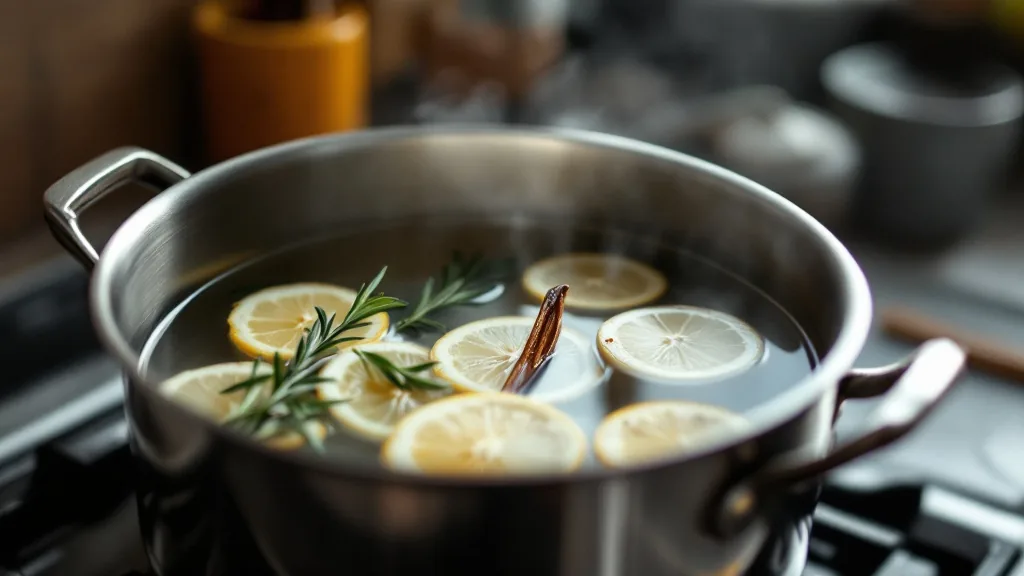
Fill a small saucepan about two thirds with water, add the kit contents, bring it to a bare simmer and then turn it down until the surface is barely moving. A rolling boil pushes the aromatics straight up the extractor hood and evaporates the water in under an hour. Top the water up as it drops and never let it go dry — a scorched pan is the usual way a simmer pot ends. After a day, the fruit is spent; strain the contents out before they sit in the water overnight. Candles, wax warmers and oil diffusers are a different method entirely; if you want the no-flame version, the candle warmer method uses the same ingredients in a much smaller bowl.
Giving a kit away
The two questions that come up most when someone else is buying: which kit to hand over, and whether the pot it goes in is safe to hand over. The simmer pot gift ideas page covers the bought-versus-assembled decision and what a food-grade label actually has to say; the printable gift tags carry the brewing instruction so the recipient does not need this page to use the kit.
A gift given after the holidays needs a different blend: the winter simmer pot recipes run through January and February with citrus, rosemary and vanilla and no cinnamon. And if the present is a glass vessel on a gas burner, read why glass simmer pots crack on a gas stove first — most U.S. Pyrex is marked not for stovetops, so the pan has to be one the manufacturer rates for the flame.
Stovetop, water, fire, pet, and child notes are on the simmer pot safety page.
More recipes
Frequently asked questions
What is inside a simmer pot kit?
Almost every kit is built from the same five building blocks: dried orange slices, dried cranberries, cinnamon sticks, whole cloves and star anise. Larger kits add rosemary, bay leaves, dried apple or pine. The spices are always whole, not ground, because ground spice clouds the water and sinks instead of releasing aroma slowly.
How many times can I reuse a simmer pot kit?
One jar makes one pot. After the water has simmered down and been topped up a few times over a day, the fruit is spent and the aroma fades. Some people strain the contents, let them dry and use them a second day, but the second run is noticeably weaker.
Are simmer pot kits safe to eat?
Not always. Many kits are sold as decorative potpourri and are treated with fragrance oils or preservatives; that packaging usually says not for food use. If you intend to simmer the contents near food, or you are giving the kit to someone who might, buy ingredients sold as food-grade dried fruit and whole spices.
Do I need a special pot for a simmer pot kit?
No. A small saucepan works. Fill it about two-thirds with water, add the kit contents, bring to a bare simmer and keep it there. A slow cooker on low works too, and a candle warmer with a small ceramic bowl gives the same scent without any open flame or stove use. A glass vessel is the one to think about — see the two questions below.
What should I check before buying a kit as a gift?
Four things. Food-grade on the label, because decorative potpourri is often treated with fragrance oil. Whole spice rather than ground, because powder clouds the water and scorches. A seal, so the jar still smells right months later. And the brewing instruction printed on the jar or its tag — a recipient who has to look the ratio up will not bother. A 16 oz jar makes two pots and reads as a present; four 4 oz jars are the same amount of scent in four small packages, which suits a market stall or a favour run rather than one person.
If I buy a glass simmer pot as a gift for my sister, will it crack?
It can, if the pot is used on a heat source it is not rated for, if it boils dry, or if it goes through a sudden change from hot to cold or cold to hot. U.S. Pyrex glassware is not for a stovetop, an open flame, or an electric burner — that is the guidance published by the maker. Treat other glass bakeware the same way unless the manual for that exact pot says the stovetop is allowed. A glass pot belongs on a gas burner only when the company that made that pot says so in the current manual; some of those manuals also require a heat diffuser, and that is not a general pass for every glass dish. Keep enough water in the pot and never let it boil dry. Avoid sudden temperature changes: do not pour cold water into a hot glass pot, and do not set a hot pot on a cold surface. The longer notes are on https://simmerjar.com/glass-simmer-pot-gas-stove/ and https://simmerjar.com/simmer-pot-safety/. A metal saucepan on low, or a candle warmer, is the method this site already uses.
How long does a kit keep once it arrives, and does it need refrigerating?
A dried kit does not need the fridge, and it keeps for about six months to a year. Store the jar sealed in a cool, dark cupboard: the dried fruit fades first, while whole cinnamon sticks and star anise stay fragrant for two years or more, so the fruit is what limits the jar. The fridge works against you — a cold jar opened in a warm kitchen collects condensation inside the glass, and damp dried fruit moulds. Kits packed with fresh rather than dried ingredients (fresh orange slices, fresh cranberries, a fresh rosemary or pine sprig) are a different product: keep those refrigerated and use them within a few days, or dry the fruit first if the jar is meant to be given away.
I know how to make a simmer pot — can I just buy a ready-made kit to give as a gift?
Yes. If you already know the method and just do not want to dry the fruit, measure the spices, and pack a jar yourself, a ready-made kit is what this page is for. The kits described here are dried fruit and whole spices in a glass jar, a pouch, or a small multi-blend set — the same five building blocks already on this page (dried orange, cranberry, cinnamon, clove, and star anise), pre-measured. Before you buy, check that the contents are labelled food-grade, that the spices are whole rather than ground, that the container is sealed, and that the brewing instruction is on the jar or its tag. Those checks are in the section above. If you later want a specific seasonal blend, the recipes are on this site: https://simmerjar.com/simmer-pot-recipes/, https://simmerjar.com/christmas-simmer-pot/, and https://simmerjar.com/winter-simmer-pot-recipes/.
Can I dry my own orange slices for a kit?
Yes, and it is the cheapest part of the kit. Slice oranges about 5 mm thick, blot them dry, and dry them in a 90 C (200 F) oven for two to three hours with the door cracked, or in a dehydrator until they snap instead of bending. Fully dry slices keep for months in a sealed jar; any moisture left in them will mould.