Dried Orange Slices: How to Dry Them for Simmer Pots and Decor
TL;DR
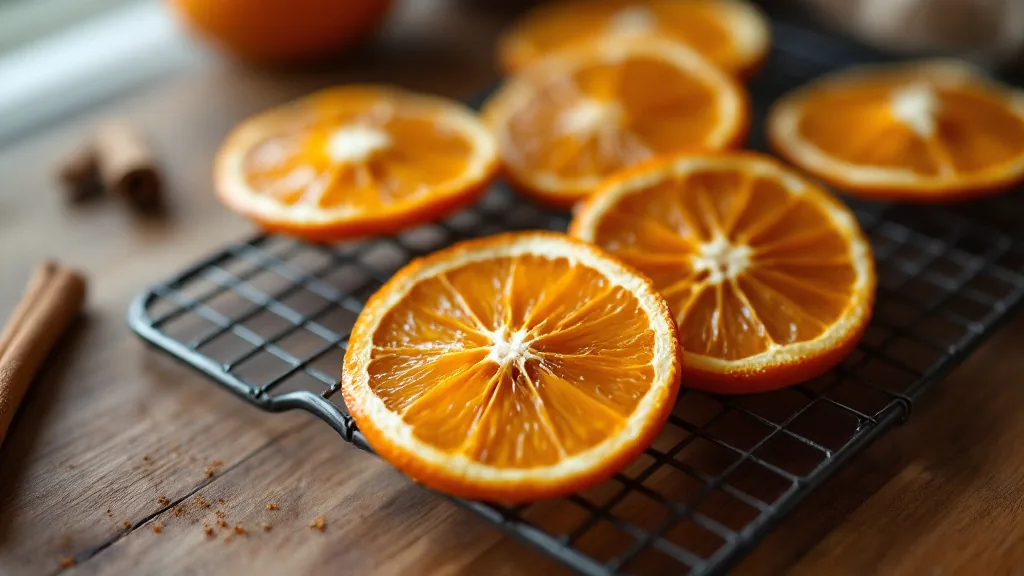
Slice 1/8 inch, lay on parchment so no two slices touch, oven at 175°F for three to five hours flipping every thirty minutes — or a dehydrator at 130°F for twelve to fourteen hours flipping hourly. Cool fully, then check: firm, not sticky, no give in the middle. Seal them and keep them in the dark.
Oven vs dehydrator at a glance
Same slicing, same no-touching rule, two different machines. The short version, before the step-by-steps below:
| Oven | Dehydrator | |
|---|---|---|
| Temperature | 175°F — never above 200°F | 130°F (most units with no dial run 130–140°F) |
| Time | 3–5 hours; about 6 is the outer edge | 12–14 hours |
| Flipping | Every 30 minutes | About every hour |
| Batch size | One tray at a time, oven tied up all afternoon | Several trays at once, a few oranges per batch |
| Best for | A batch you want tonight | Flat, even slices for garlands and gift tags |
The end test is the same on both: room temperature, firm all the way through, not sticky, no give when you press the middle.
Oven method: 175°F, flip every 30 minutes
The oven is what most people already have, and it is the method that needs watching. The temperature figure comes from Clemson University's Home & Garden Information Center guidance on drying citrus for holiday decoration: preheat to 175°F, use the lowest setting your oven will hold if that is lower, and never go above 200°F.
- Slice 1/8 inch (about 3 mm), pith and all. Thinner edges scorch before the middle has gone; thicker slices never dry through and go soft in the jar a month later. One orange gives roughly twenty slices.
- Blot the cut faces with a towel before the tray. Surface water is the part that takes the longest to leave and the part that starts the trouble.
- Parchment on the tray, slices flat, no two touching. They spread moisture as they dry; slices that touch stay damp at the join.
- Flip every thirty minutes. This is the step people skip and the reason for most uneven results.
- Three to five hours. The published guidance gives that range, and in the same document a second figure of about six hours appears — treat six as the outer edge rather than the target, and let the touch test at the end decide.
- Cool on a rack, not on the tray. The tray keeps heat underneath and the slices continue cooking — and stay sticky — as they cool.
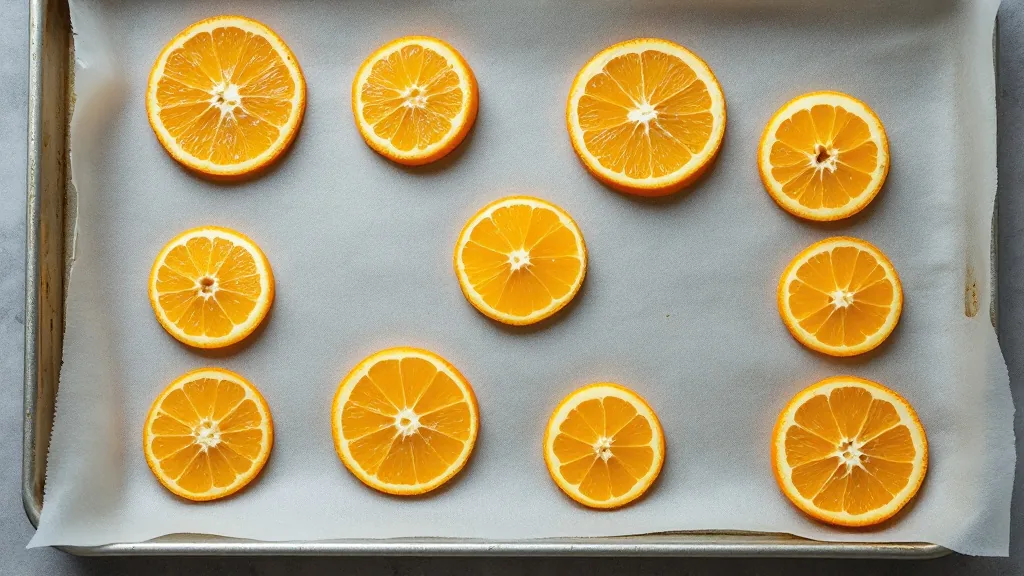
If your oven's lowest setting is 170–200°F, use it, prop the door open with a wooden spoon, and expect the long end of the range. A cheap oven thermometer left on the tray tells you what the dial does not, and it is the single most useful thing you can add to this process.
Dehydrator method: 130°F, 12–14 hours
A food dehydrator dries slower and more evenly, which is why it is the method people with one use for a big batch. Same slicing, same no-touching rule, 130°F, twelve to fourteen hours, and a flip about every hour.
The trade is time: twelve hours is a whole day of waiting where the oven is an afternoon. In exchange you get a flatter, more even slice — which matters if the slices are going on a garland or a gift tag rather than into a pan. Trays loaded with twenty slices a tray can dry a few oranges at once without any of them crowding.
If the dehydrator has no temperature control, it usually runs somewhere around 130–140°F by design, and the process is the same — check hourly, pull them when they are firm and dry.
Which oranges, and the peel-on question
Any citrus dries the same way; the fruit choice changes the colour and the note rather than the method. Navel oranges are the usual pick — round, sweet, and the slices hold their shape. Lemons give a sharper, brighter slice, limes a green edge, grapefruit a deeper colour and a bitter note. Mixed trays are worth doing once to see which one you actually like in a pot.
Peel on, always: the oil glands are in the peel, and a peeled slice dries into something with no scent left in it. Wash the fruit first, since the peel is going into the water you are breathing over.
Is the orange waxed? Three checks
Waxed fruit is common on citrus, and the wax is not something you can taste or see reliably. Federal guidance (FDA CPG Sec. 562.550) requires that waxed or coated produce be identified on the packaging or at the shelf — it does not tell you which fruit was waxed, and it says nothing about which brands or varieties to avoid. So use the three checks that are actually available to you:
- Read the packaging. "Waxed", "coated" or a wax declaration means treat the slices as decor.
- Check the shelf card on loose fruit. If there is no declaration, ask — a store that waxes usually has it on the card somewhere.
- Organic is usually unwaxed, but that is convention, not law. It is a useful signal, not a guarantee.
If you cannot confirm, keep the slices for the garland and the gift tag rather than the pan. There is no brand list worth trusting here, and no need for one.
How dry is dry enough — and why sticky ruins everything
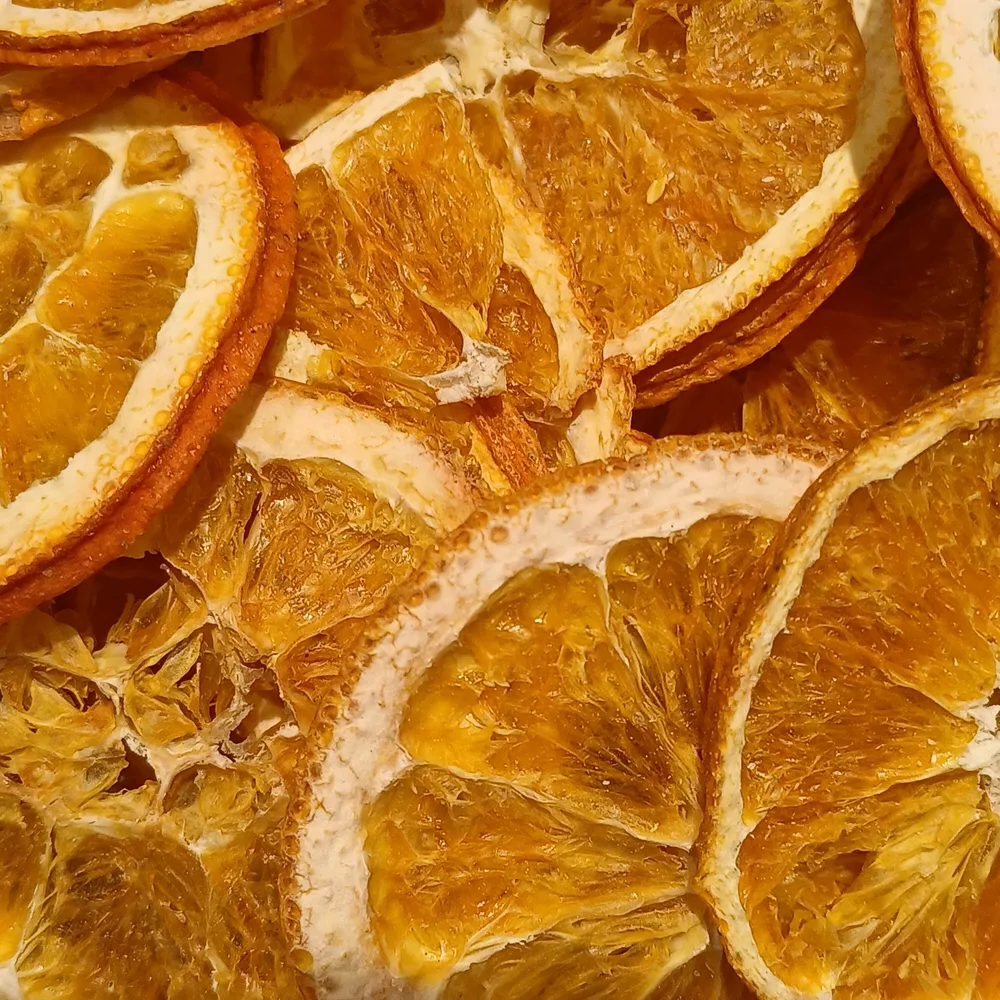
The timer is a guide. The test is a slice at room temperature, firm all the way through, with no tackiness anywhere and no give when you press the middle. Hold one by the edge: it should not bend.
Sticky is under-drying, and it is the failure that costs you a batch. A slice that looks done on the surface can still hold water in the pith, and that residual moisture is what mould finds three weeks later. Anything tacky goes back on the tray for another thirty minutes rather into the jar.
Curling is not a failure in itself — it is what uneven drying looks like, and it is why flipping exists. A curled slice still dries, it just dries at the edges first and the middle last, which is why the flip keeps the centre on schedule.
Storing dried orange slices
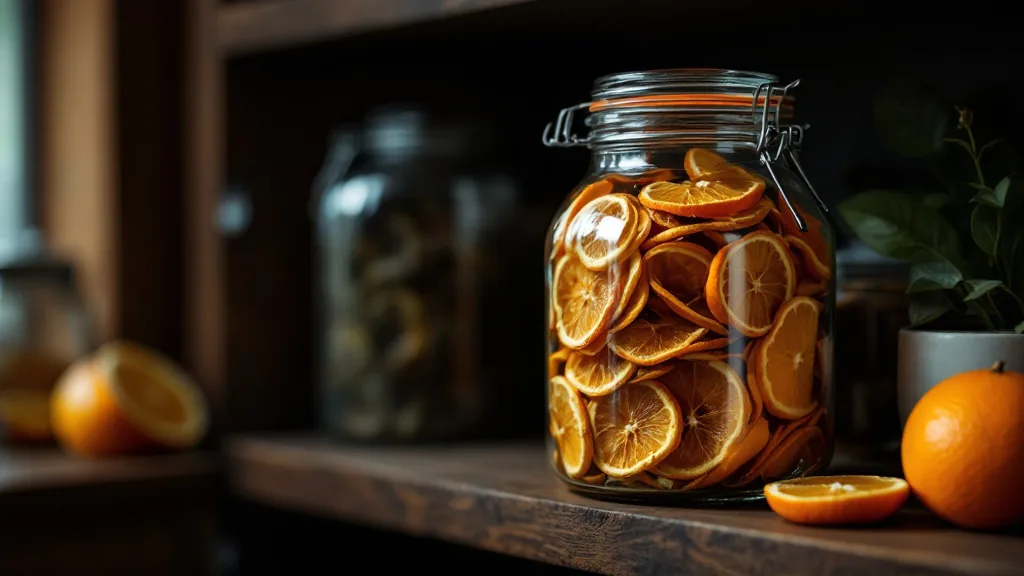
- Sealed, cool, dark. A jar with a lid, or an airtight container. Light fades the colour, and a warm cupboard ages them faster than a drawer does.
- Check before use. A soft or tacky slice has taken moisture — put it back on a tray at low heat or discard it.
- Months, not years. Dried slices stay usable for simmer pots for months when sealed properly. The "keeps for years" line you will see is a decorating claim about colour and shape, not a food claim.
- Do not refrigerate. A fridge is humid, and a humid jar is the opposite of what you stored them for.
Dried oranges for a simmer pot: how many slices, and what goes with them
Six to eight slices in a two-quart pan of water — one fresh orange's worth, because drying concentrates rather than removes the oil. Add them first, then the whole spices, and simmer low with the water topped up. Per-ingredient quantities, including what goes with them, are on the simmer pot ingredients page; the blends that use dried fruit are on the simmer pot recipes page. If the pot itself is glass, read the glass pot on a gas stove page first.
Dried slices suit a long session better than fresh ones: nothing goes soft, nothing needs using up, and a pot made entirely of dried material keeps a steady scent for three or four hours instead of peaking in the first hour. For portioning them ahead into single-pot amounts, see how much goes in one simmer pot bag.
Dried orange garland: what the same slices are for
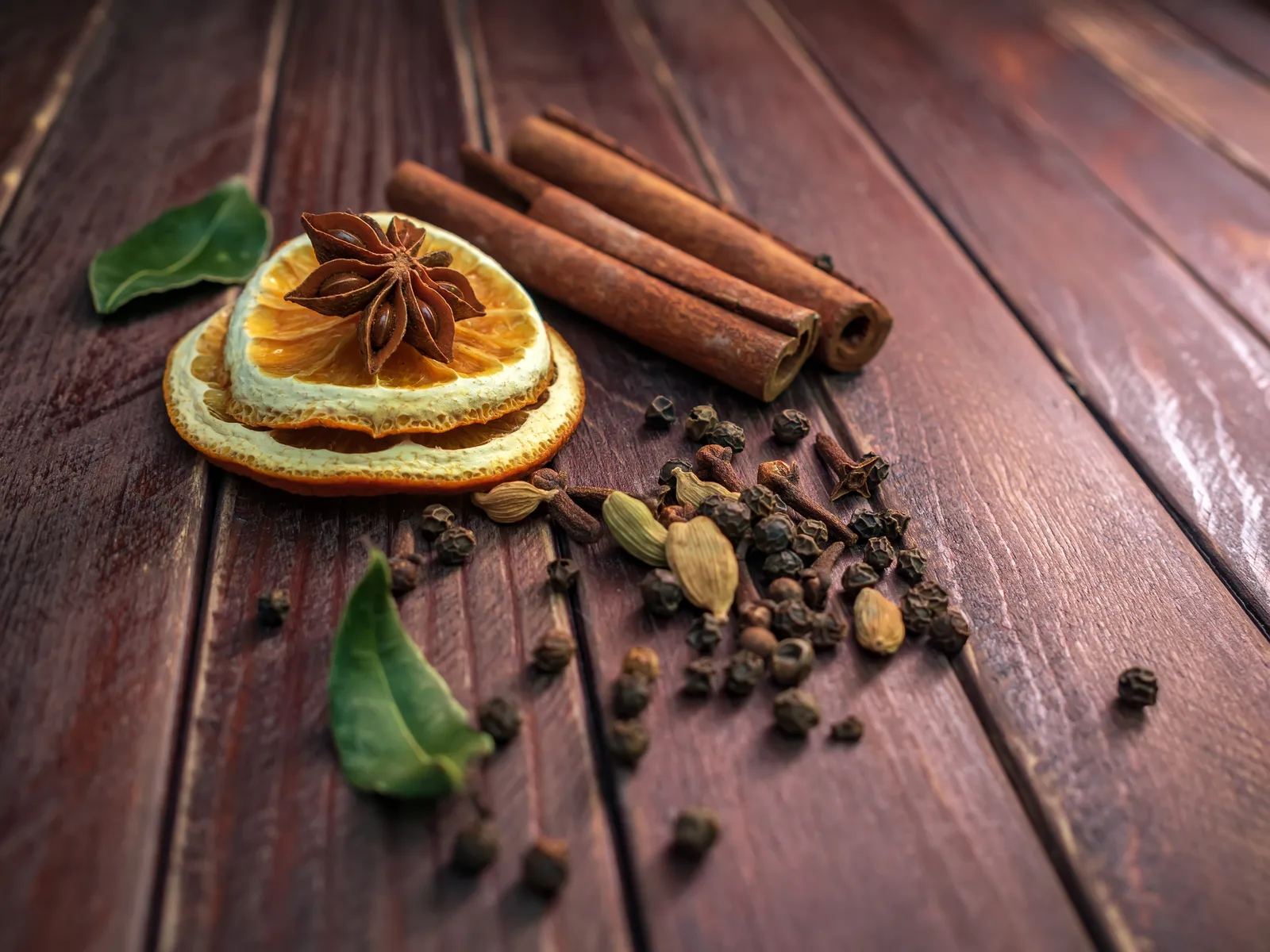
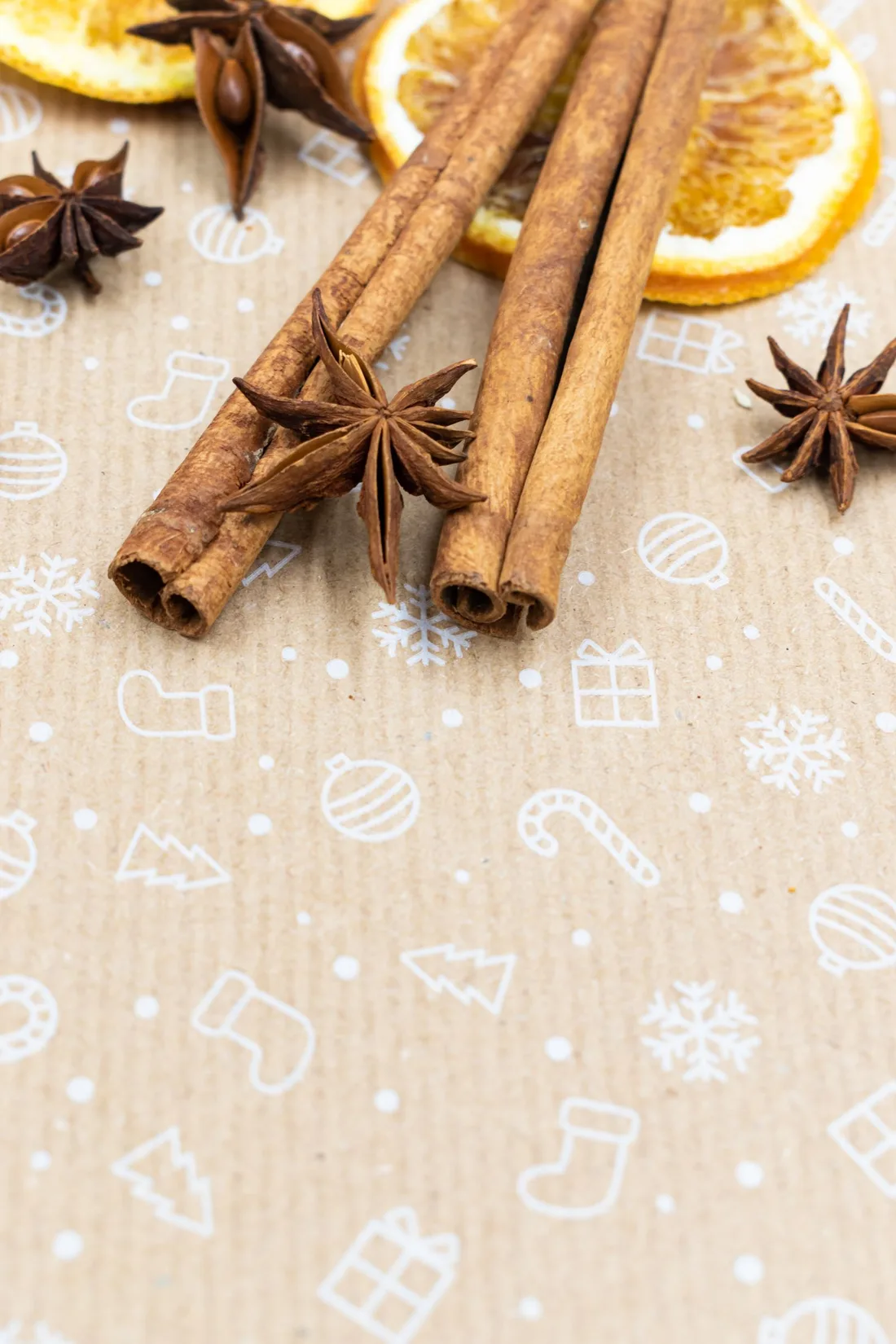
The slice that dries well in an oven is the slice that hangs well on a garland, which is why the same tray usually ends up half in the pot and half on a string. Thread them with a needle while they are still slightly flexible — a fully brittle slice cracks at the needle hole — and pair them with cinnamon sticks, star anise and dried cranberries. Hang it away from direct sun to keep the colour, and take it down before it collects dust rather than leaving it up all year.

The same slices also go on gift tags for simmer pot jars and on the rim of a jar before it is sealed. Nothing about the drying changes for any of these uses — the only difference is whether the slice ends up in water or on a string.
Common failures: browning, curling, mould
| What you see | What actually happened | Fix |
|---|---|---|
| Dark brown edges, bitter smell | Too hot — the sugar caramelised before the water left | Drop to 175°F or the lowest setting; prop the door open |
| Soft or tacky centre, dry edges | Under-dried, usually from a thick slice or a skipped flip | Back on the tray for thirty minutes; re-slice thicker ones next time |
| Slices curled into a taco shape | Edges dried faster than the middle — expected, not a fault | Flip every thirty minutes from the start |
| White bloom or film on stored slices | Sugar crystallising, not mould | Harmless; brush off before use |
| Fuzzy patch, musty smell | Mould — moisture that never left, or a jar that was not sealed | Discard that slice and any touching it; check the rest |
Browning and mould are the two that end a batch, and both trace back to the same two steps: temperature and the touch test. Curling is cosmetic. Sugar bloom looks alarming and is not.
Our recommended picks
As an Amazon Associate, we earn from qualifying purchases. Links below are affiliate links marked as sponsored — a qualifying purchase may earn us a commission at no extra cost to you.
Oven thermometer
The dial lies; this tells you whether you are really at 175°F.
Food dehydrator
For a batch bigger than one tray, at 130°F for twelve to fourteen hours.
Stovetop, water, fire, pet, and child notes are on the simmer pot safety page.
More recipes

Frequently asked questions
How long do dried orange slices take in the oven?
Three to five hours at 175°F, flipping every thirty minutes, and up to about six hours in practice. Thin slices finish faster than thick ones, so the clock is a guide and the check is the touch test: leave the tray until a slice is firm and not sticky at all, with no give when you press the middle.
What temperature do you dry orange slices at?
175°F is the working figure for a home oven. If your oven will not go that low, use the lowest setting it does have and prop the door open with a wooden spoon — but do not go above 200°F, because the sugar in the peel starts to brown before the moisture has gone.
Do you have to flip orange slices while drying?
Yes, every thirty minutes in the oven and about every hour in a dehydrator. Orange slices curl as they dry, and the lifted edge stops receiving heat. Without flipping you end up with dry edges and a damp centre, which is the path to mould a week later.
How do you know when orange slices are dry enough?
They are room temperature, firm, and not sticky anywhere — no tackiness in the middle and no bend when you hold one by the edge. A slice that still gives at the centre is not done, whatever the timer says.
Can you eat dried orange slices?
Only if you know the fruit was not waxed. Wash and dry first either way, and use the three checks below before deciding: look for a waxed or coated label, check the shelf card for loose fruit, and remember that organic fruit is usually unwaxed by convention rather than by law. If you cannot confirm, treat the slices as decor.
How long do dried orange slices last?
Sealed, in a cool dark place, they keep for months and are still usable for simmer pots well beyond that — the "keeps for years" claim you will see online is a decorating claim, not a food one. Once a slice goes soft or tacky, it has taken on moisture; dry it out again or throw it away.
Why did my orange slices turn brown or sticky?
Browning is heat: the oven was too hot, or the door was shut, so the sugar caramelised before the water left. Sticky is under-drying: the slice looked done on the outside and was not through the middle. Curling is the normal consequence of uneven drying, and it is why flipping matters.
Can I dry lemons, limes or grapefruit the same way?
Yes. All citrus dries the same way — same slicing, same temperature, same flip schedule — and the fruit choice changes the scent and the colour rather than the method. Navel oranges are the usual pick for the classic look and a round, sweet note.
Can I use dried oranges for a simmer pot?
Yes. Use six to eight dried slices in a two-quart pan, which stands in for about one fresh orange, because drying concentrates the oil rather than removing it. Add the slices first, then the whole spices, and keep the water topped up on low. The simmer pot recipes page has the blends that use dried fruit, the ingredients page has the two-quart amounts, and the simmer pot bags page has the single-bag portion.