Candle Warmer Simmer Pot: Safe Setup and Recipes
A candle warmer can absolutely run a simmer pot — but only one of the two warmer types is built for it, and the bowl has to be the right shape. Here is the honest compatibility check, the water-level routine, and four small-batch recipes scaled for gentle heat.
TL;DR
- Warming plate (heat from below) = yes, with a flat-bottom bowl and regular water top-ups.
- Lamp warmer (bulb heats from above) = a different tool; follow its instructions, no open water unless designed for it.
- Expect one-room scent strength, several hours of run time, and zero flame.
Know your warmer: plate vs lamp
The key distinction, as Botanical Blueprint puts it: a lamp-style candle warmer directs heat downward from a bulb onto whatever sits beneath it, while a warming plate delivers heat from below through a flat surface. When the bowl contains water and botanicals instead of solid wax, that difference decides everything. A warming plate conducts into the flat bottom of the bowl the way a tiny hot plate does — that is the tool that works for simmer bowls. A lamp above an open water bowl mostly heats the surface and the surrounding air, wastes energy, and is not what the device was designed for. When in doubt, check the manufacturer instructions before adding water.
The safe setup
1. Confirm the warmer type
Plate-type, heats from below, manufacturer allows it. No lamp-type water experiments.
2. Right bowl, right placement
Heat-resistant glass or ceramic with a flat bottom that sits flush on the plate — no rounded-bottom tea cups that touch at one point.
3. Water first, then aromatics
Fill two-thirds with water, add a small handful of botanicals. Small amounts matter at this heat level — less volume means the water stays hot enough to release scent.
4. Top up, never dry
Check the water line every 30-60 minutes; add hot water as it drops. A dry bowl on a live plate is how glass cracks.
If the scent stops steaming, the water level got too low or the plate is set too cool — raise the setting if yours is adjustable, or swap to the stovetop guide for bigger rooms.
Four warmer-scale recipes
These are the stovetop favorites halved for a bowl that holds roughly 1-2 cups. Run each 2-4 hours with top-ups.
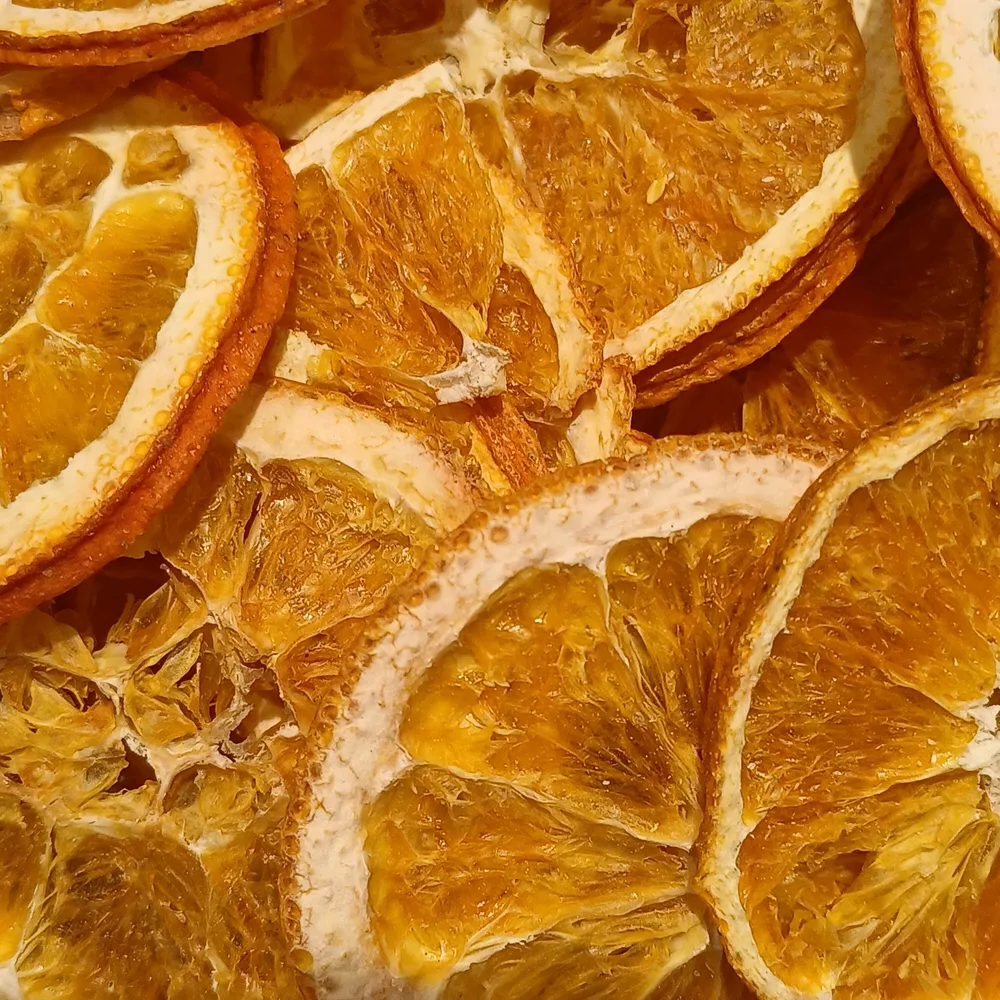
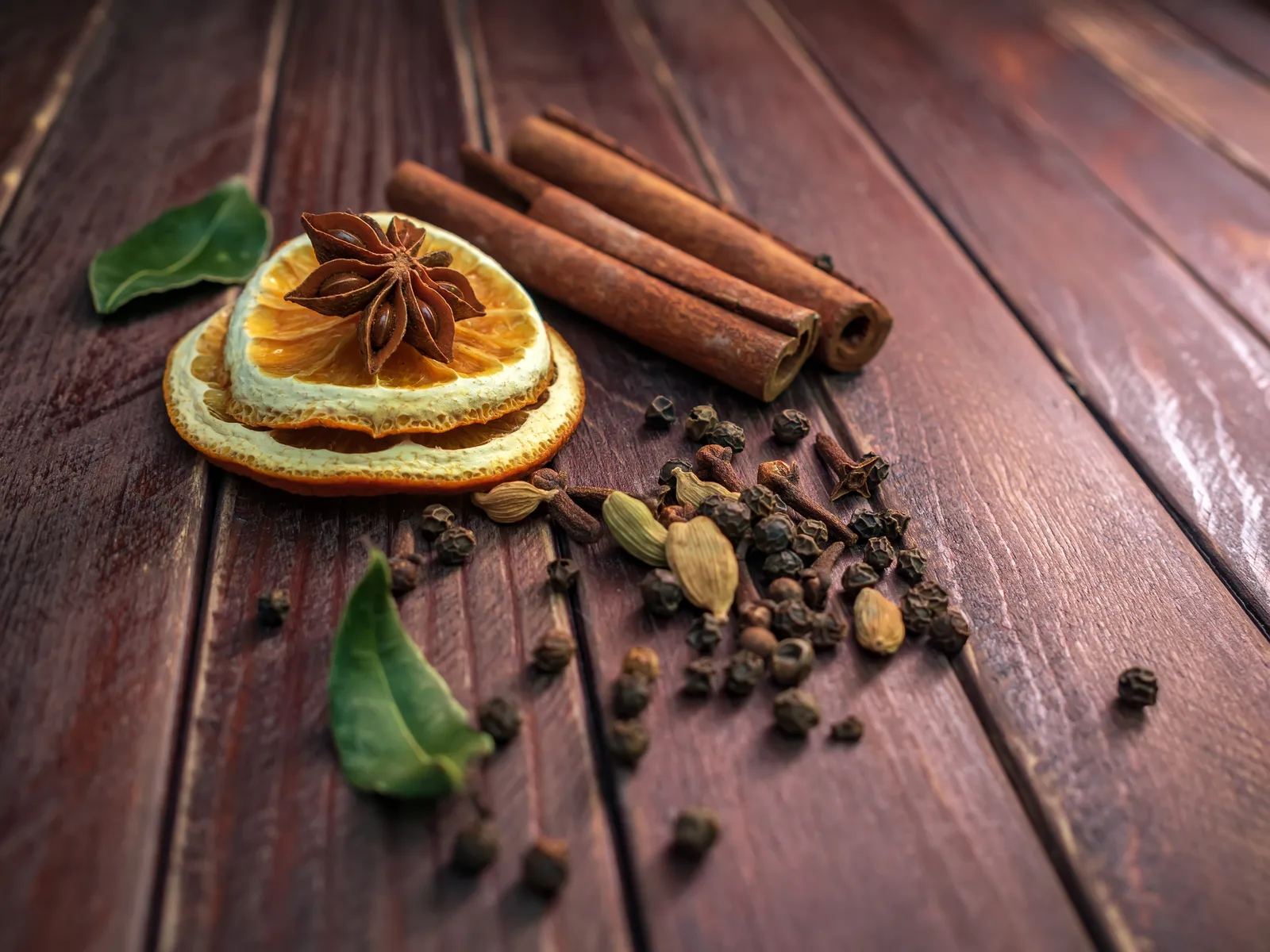
- Orange & cinnamon (the classic). 4-5 dried orange slices, 1 broken cinnamon stick, 4 cloves. Warm, bakery-sweet, the best starter bowl.
- Lemon & rosemary. Peel of one lemon (avoid the pith), 1 rosemary sprig. Clean and sharp — good for work corners.
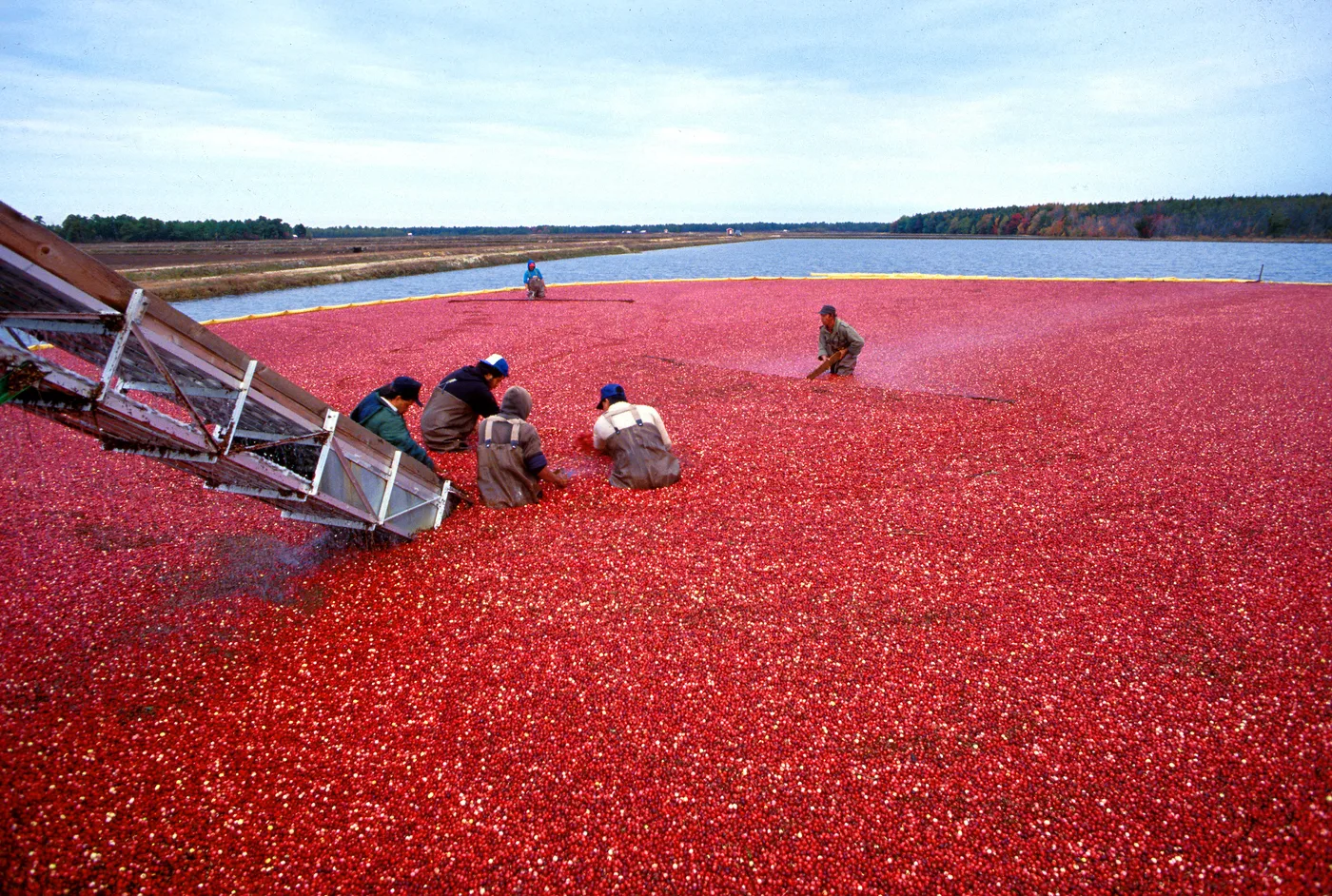
- Cranberry & vanilla. Handful of fresh or frozen cranberries, 1 tsp vanilla extract added at the end. The fall guest-room bowl.
- Essential-oil water. 3-4 drops of a single oil — orange, cedarwood or eucalyptus — into plain water. Lighter than wax melts and leaves none of the waxy residue melts do; the water just evaporates.
The full ingredient ratios for the stovetop versions live in our simmer pot recipes, and the oil method has its own page on essential oils for simmer pots.
Wax melts vs water bowl: when each wins
Same plate, two jobs. Wax melts deliver a stronger, denser scent and cost nothing in upkeep — drop one in, that is it. A water simmer bowl gives a softer, fresher, "something is cooking" scent and needs water watching. If the goal is fragrance intensity in a bigger space, neither a warming plate nor a small bowl is the right tool: that is stovetop territory or a proper plug-in. If the goal is a flameless, low-maintenance background scent for a reading corner, the plate-and-bowl is exactly right.
How far the scent actually travels
Ask how many square feet a simmer pot covers and the honest answer is that no coverage rating exists — not for simmer pots, not for wax melts, not for small plug-ins. A square-foot figure on a blog post is a guess dressed up as a specification. What can be predicted is the direction of each variable, and reach comes down to five of them:
- Water surface area. Scent leaves a simmer pot on water vapour, so a wide shallow bowl carries further than a tall narrow one holding the same volume.
- Heat level. A gentle simmer lifts aroma slowly and keeps releasing it; a rolling boil spends the aromatics in under an hour and leaves the room smelling of hot water.
- Air movement. A closed door keeps a bowl in one room; an open plan or a running extractor pulls it straight out. That one variable moves reach more than any change of recipe.
- Which aromatics are in the pot. Citrus peel and rose are light molecules that carry fast and fade fast; cinnamon, clove and star anise are heavy ones that stay near the pot and hang in the room afterwards.
- Room volume and ceiling height. The same bowl reads strong in a bathroom and thin in a double-height living room.
In practice, on a warming plate, expect the scent to be obvious within a few paces of the bowl and to settle into a background note around the doorway of a normal closed room. It is not an air freshener and it will not reach the far end of an open plan; that job belongs to the stovetop method with a bigger pot.
"It stopped smelling" is usually your nose, not the pot
Olfactory adaptation is quick: sit in the same room for fifteen or twenty minutes and your receptors stop reporting a constant scent, while someone walking in from outside still smells it plainly. That is the most common reason a working bowl gets called weak and then tipped out. Before changing the recipe, leave the room for ten minutes and walk back in — and if it really is gone, the water level dropped or the plate is running too cool.
This is also the root of a confusion worth naming: wax melts, scented candles and a water bowl are three different delivery mechanisms, not three brands of the same thing. A candle burns a wick and pushes fragrance out on hot exhaust; a warmer melts wax at low temperature for a dense scent that comes off heaviest first; a water bowl evaporates water and carries the lightest molecules away first. That is why the bowl reads thinner and fresher than a melt of the same scent family, and why it never covers the same footprint. The strength comparison against wax is in the FAQ above.
Stovetop, water, fire, pet, and child notes are on the simmer pot safety page.
Our recommended picks
As an Amazon Associate, we earn from qualifying purchases. Links below are affiliate links marked as sponsored — a qualifying purchase may earn us a commission at no extra cost to you.
Candle warmer plate
The bottom-heat plate type that works with a water bowl — check its manual allows one.
Flat-bottom glass warming bowls
Heat-resistant dishes sized to sit flush on a plate.
Dried orange and cinnamon set
Dried orange slices and cinnamon sticks for the small-batch method.
More recipes
Frequently asked questions
Can you use a candle warmer as a simmer pot?
A candle warming plate — the kind that melts wax from below — works as a low simmer pot. Put water and aromatics in a flat-bottomed heat-resistant bowl on the plate. A lamp-style warmer, which heats from a bulb above, is a different tool: follow the manufacturer instructions for that device and skip the open water bowl unless it is designed for it.
Can you put essential oils in a candle warmer instead of wax?
Yes, in a water bowl on a warming plate: a few drops of essential oil dispersed in water give a lighter scent than wax melts and no residue. Do not drop oil into an empty wax dish meant only for melts, and do not mix wax and water in the same bowl.
Wax melts vs simmer pot — which smells stronger?
A warming plate runs gentler than a stovetop simmer, so expect a subtler, slower scent that fills one room rather than the whole house. The trade-off is no flame, no stove babysitting, and the bowl can run for hours on the low setting.
How long does a candle warmer simmer bowl last?
The botanicals give 2-3 good sessions before the scent fades; the water just needs topping up while the bowl is warm. Dump spent material, rinse, and refill with a fresh quarter-cup of aromatics.
Is it safe to leave a simmer bowl on a warmer?
Treat it like any heated appliance: follow the manufacturer instructions, do not leave it running unattended for long absences or overnight, and keep it away from pets and edges where the bowl could be knocked off the plate.
How far does a simmer pot scent travel?
Further than a bowl left cold on a counter, much less far than a plug-in or a candle: on a warming plate the scent is clear within a few paces of the bowl and fades to a background note by the doorway of a closed room. No standard coverage rating exists for simmer pots, so square-foot numbers should be read as marketing. Reach is set by water surface area, heat level, air movement and which aromatics are in the pot — citrus and rose carry fast and fade, cinnamon and clove stay close and linger.