Witchcraft Simmer Pot: Kitchen Witchery Recipes
A simmer pot is the kitchen witch's most approachable practice: water, a stove, and ingredients that folk tradition ties to protection, cleansing, abundance or love. Here is the correspondence table practitioners actually use, four recipes, and the method — written plainly, for believers and for people who just like a meaningful-smelling house.
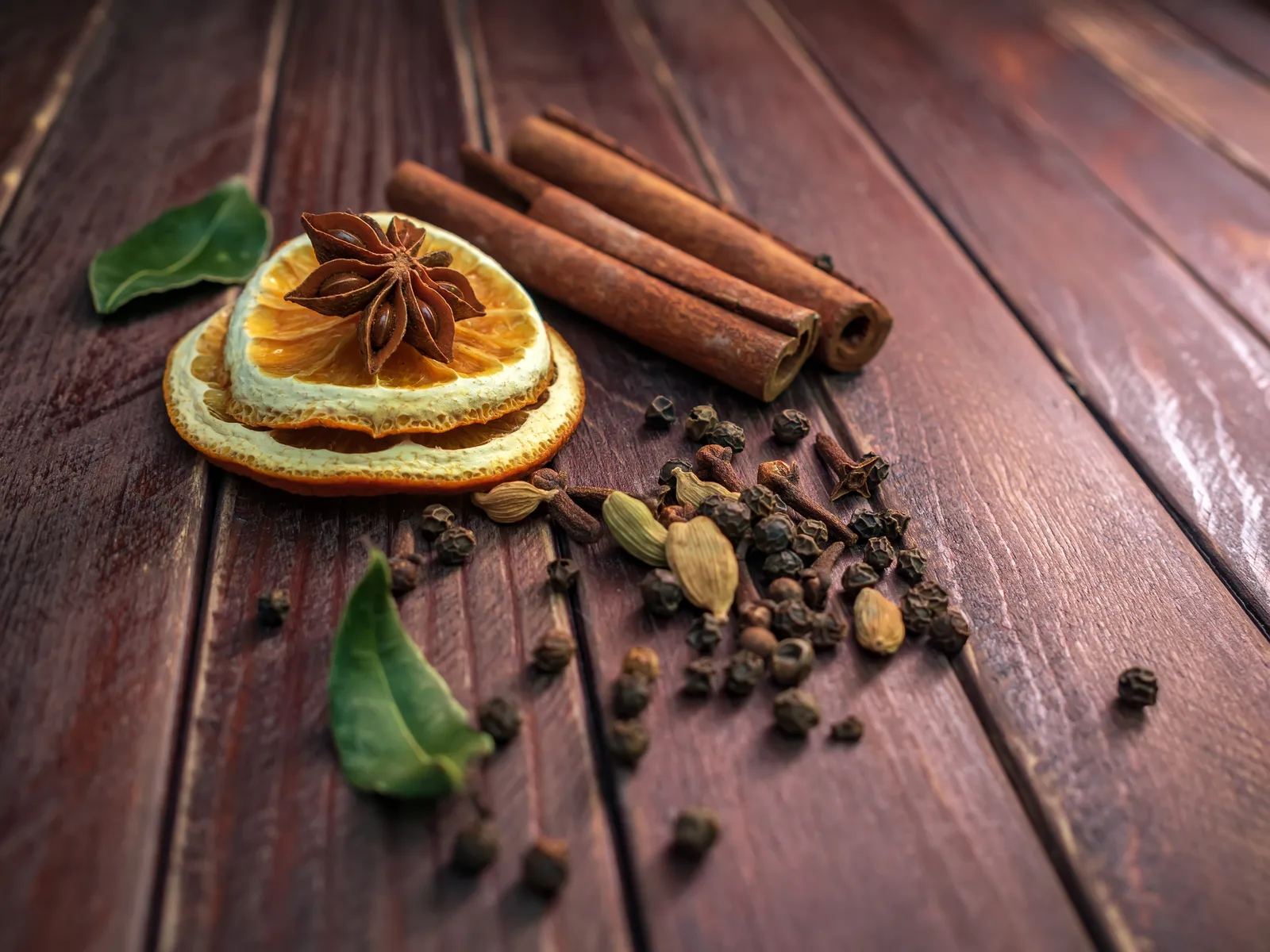
TL;DR
- One pot, four intentions: rosemary/lemon/sage for protection, lemon/cedar/basil for cleansing, cinnamon/orange/basil for abundance, rose/apple/vanilla for love.
- The method is a normal simmer — the "witchcraft" is choosing ingredients by their traditional meaning and adding them with focus.
- No belief required: the same pots make excellent ordinary home fragrance.
The correspondence table
These pairings are drawn from sources practitioners cite — the Wicca Academy guide to simmer pots, the Spells8 witchy-simmer-pot roundup, and the correspondence lists shared in the r/Witch and r/kitchenwitch communities. They are traditional associations, not instructions to expect anything measurable.
| Ingredient | Traditionally associated with |
|---|---|
| Rosemary | Protection, purification, strength of purpose |
| Lemon (peel/slices) | Cleansing, repelling negativity, lifting mood |
| Sage | Cleansing and purification |
| Cinnamon | Abundance, success, warmth, attraction |
| Orange | Joy, prosperity, solar energy |
| Basil | Financial blessings, wealth (the God's herb in Wicca Academy's notes) |
| Clove | Luck, protection, psychic awareness |
| Bay leaf | Shielding, wishing, clarity |
| Rose petals | Self-love, femininity, heart-opening |
| Apple | Health, love, abundance |
| Blueberries | Astral protection (per Wicca Academy's protection pot) |
| Salt | Grounding, cleansing, locking in protection |
| Black peppercorn | Defense, banishing |
| Vanilla / maple | Sweetening a situation, comfort, self-kindness |
| Cedar | Purification, clearing a space |
| Calendula | Happy energy, cleansing, good luck (per r/GreenWitch posts) |
Four recipes by intent
Each pot runs on a stovetop: 4 cups water, ingredients below, bring to a steam then drop to low, 30-60 minutes with water top-ups.
- Protection. Rosemary sprigs, lemon slices, sage (a small bundle or 6 leaves), a pinch of salt, blueberries if you have them. The formulation Wicca Academy publishes, smells like a bright herb garden.
- Cleansing. Lemon peel, cedar sprig or 3 drops cedarwood oil, basil, bay leaf. The lighter, "reset the room" pot — good after guests, illness or an argument.
- Abundance. Cinnamon sticks, orange slices, basil, 4 cloves, a spoonful of coffee beans. Sweet-spice and the most universally pleasant of the four.
- Love (self-love first). Rose petals (fresh or dried), apple slices, a spoon of maple syrup, pink salt if you keep it. Soft and dessert-like; Wicca Academy frames this as the self-compassion pot.
The method, stated plainly
1. Pick one focus
Protection OR cleansing OR abundance OR love. Practitioners say clarity beats stacking five intentions in one pot.
2. Add ingredients one at a time
Name what each one is for as it goes in — that pause is the whole ritual in most traditions.
3. Simmer, don't boil hard
Steam, then low. A rolling boil burns the citrus and wastes the herbs.
4. Close it out
Off-heat, cool, strain the botanicals into compost. Custom says return the material to the earth.
The everyday side of the same practice: for pure scent with no framing, the standard simmer pot recipes and the candle warmer method cover the same ingredients without the intention work.
A note on culture and respect
Simmer-pot witchery in the form most English-language readers meet is a modern kitchen-witch and Wicca-adjacent practice — the correspondence meanings above come from those living traditions and are described as associations, not science. Smudging with white sage, by contrast, belongs to specific Indigenous cultures; if you want a smoke element in a home practice, cedar and rosemary are the broadly shared ones — and buying from Indigenous growers when you can is the respectful default.
Stovetop, water, fire, pet, and child notes are on the simmer pot safety page.
Our recommended picks
As an Amazon Associate, we earn from qualifying purchases. Links below are affiliate links marked as sponsored — a qualifying purchase may earn us a commission at no extra cost to you.
Blessings simmer pot mix, 6 blends
Six pre-mixed blends named by intention, from Blessing to Protection.
Small enamel stovetop pot
A dedicated pot so ritual bowls never touch your dinner pans.
More recipes

Frequently asked questions
What is a witchcraft simmer pot?
In the kitchen-witch tradition, a simmer pot is a stovetop ritual: water plus ingredients chosen because each one is traditionally associated with an intention — rosemary for protection, cinnamon for abundance, rose for love. Practitioners describe it as accessible, low-equipment home magic: the pot is already on the stove.
What ingredients are used for protection?
The combination most sources agree on: rosemary (protection and purification), lemon (repelling negativity), sage (cleansing), bay leaf (shielding) and salt (grounding). Wicca Academy's protection pot adds blueberries; Spells8 adds garlic and black peppercorns. Use what smells good to you — the pot still works as ordinary home fragrance.
Is this religious?
No single religion owns it. Simmer-pot practice shows up across Wicca, kitchen witchery and general folk traditions, and the ingredient meanings are folk correspondences rather than doctrine. Many people simmer these pots purely for the scent and the ritual of a slower evening; nothing about it requires belief.
Can I use the same recipes on a candle warmer?
Half and half. Delicate single-note bowls (a few drops of oil, one sprig) work on a warming plate, but the fuller protection and abundance pots want stovetop heat to pull the scent out. The warmer-safe method is covered in our candle warmer simmer pot guide.
What do I do with the leftover botanicals?
Kitchen-witch custom says compost them — return the material to the earth rather than the trash once the pot cools. If you are not practicing the ritual side, composting is simply the tidy option: spent citrus and spices break down fast.